
Kota Doria Saree: Why This Traditional Fabric Is Still Loved Today
Discover the beauty of Kota Doria sarees — from its signature weave to its effortless drape. Understand why this fabric remains a timeless choice.
4/14/20262 min read
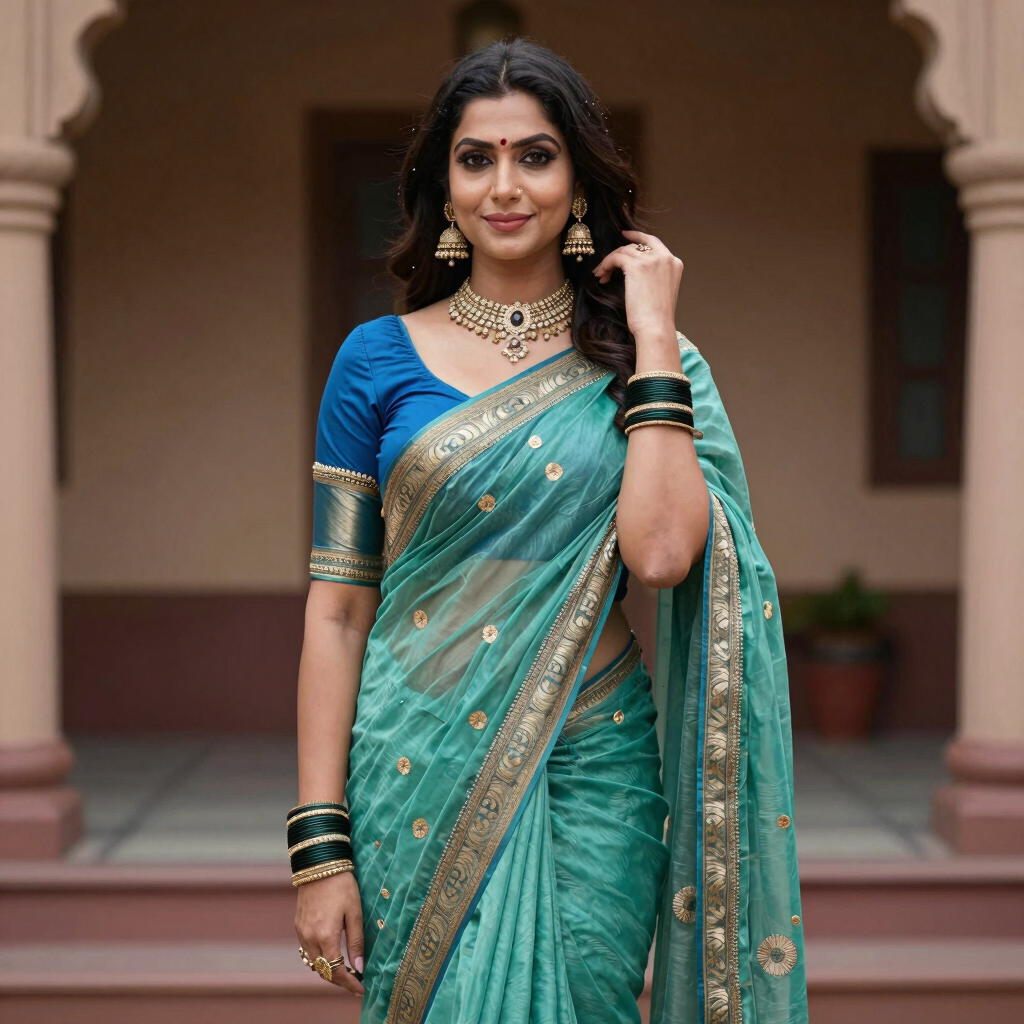
There are sarees you wear for occasions — and then there are sarees you keep reaching for without thinking twice.
Kota Doria belongs to the second kind.
At first glance, it looks simple. Almost too simple.
But the more you notice it, the more it reveals — a soft structure, a subtle texture, and a kind of ease that most sarees don’t offer.
So what exactly is Kota Doria, and why has it remained relevant for generations?
The Origin of Kota Doria
Kota Doria comes from Kota, Rajasthan, where it has been woven for centuries. The craft is believed to have been introduced by skilled weavers brought from the Deccan region during the royal era.
Over time, it became known for its distinctive weave and understated elegance, often associated with royalty and refined taste — not because it was loud, but because it wasn’t.
What Makes Kota Doria Unique?
The most defining feature of Kota Doria is its signature square pattern, known as khat.
These tiny, evenly spaced squares are created by weaving cotton and silk threads together, giving the fabric:
A soft, structured texture
A slightly sheer appearance
A natural, fluid drape
Unlike heavier fabrics, Kota Doria doesn’t try too hard. It sits lightly, moves easily, and feels balanced.
Types of Kota Doria Sarees
Not all Kota Doria sarees are the same. Understanding the types helps you choose better:
1. Pure Kota Doria (Handwoven)
Made using traditional methods, often with a blend of cotton and silk.
These sarees have a finer weave, better finish, and a more refined feel.
2. Cotton Kota
More everyday-friendly, with a slightly simpler texture.
Easy to wear, easy to maintain.
3. Silk Kota
Richer in appearance, often used for occasions.
May include zari work or detailed designs.
4. Blended / Machine-Made Kota
More affordable options that mimic the look.
Good for casual use, but less detailed than handwoven pieces.
Why Do People Choose Kota Doria?
Not because it’s trendy.
But because it works.
Kota Doria sarees are often chosen for their effortless wearability. They don’t feel overwhelming, they don’t require constant adjustment, and they adapt easily — whether you’re dressing for a regular day or something slightly more formal.
It’s a fabric that fits into your routine, not one you have to plan around.
How to Identify a Genuine Kota Doria Saree
With increasing demand, it’s important to know what you’re buying.
Here are a few simple ways to पहचान a real Kota Doria saree:
Look closely for the khat (square pattern) — it should be visible and consistent
The fabric should feel light but structured, not stiff or overly smooth
Pure versions often have a slightly uneven, handwoven character
Pricing is usually higher for authentic handwoven pieces
If it looks too perfect or too cheap, it’s probably not the real thing.
Kota Doria in Modern Wardrobes
Despite being a traditional weave, Kota Doria fits easily into modern wardrobes.
You’ll find it:
Styled simply for daily wear
Paired with minimal accessories
Or elevated with zari and embroidery for occasions
It doesn’t demand attention — it earns it quietly.
Final Thoughts
Kota Doria isn’t about making a statement.
It’s about making sarees feel natural again.
In a space where many fabrics feel heavy, layered, or reserved for specific moments, Kota Doria stands out by doing less — and doing it well.
And maybe that’s exactly why it lasts.
If you’re exploring sarees that feel easy to wear and return to often, you can browse our collection at Native Tribes — a small, growing range centered around Kota Doria.
Explore our sleek website template for seamless navigation.
Contact
nativetribes126@gmail.com
+9116485126
© 2024. All rights reserved.